

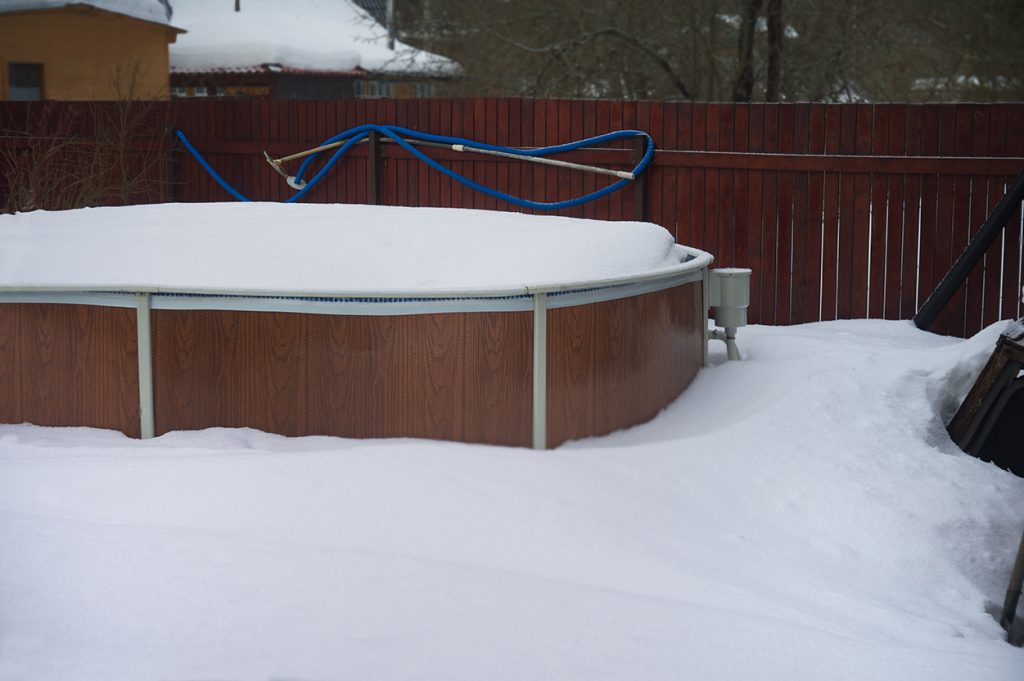
To properly winterize an above-ground pool skimmer and prevent ice expansion cracks, you must isolate the skimmer from the water level and ensure the internal housing remains dry or protected by a compensator. This process typically involves lowering the water level below the skimmer mouth or installing a specialized winter faceplate cover (like an Aquador) and inserting a "Gizzmo" or similar expansion plug into the bottom port. This task takes approximately 30 to 45 minutes and requires a basic skill level suitable for most homeowners.
According to 2026 industry data from the Association of Pool & Spa Professionals (APSP), over 65% of above-ground pool structural damage in the Mid-Atlantic region is caused by improper winterization of the filtration system [1]. Research indicates that water expanding into ice exerts up to 30,000 pounds of pressure per square inch, which easily shatters standard plastic skimmer throats and housings [2]. C&D’s Installers recommends completing this process before the first hard freeze in Maryland, Pennsylvania, or Delaware to ensure the longevity of your pool's resin or steel components.
Proper skimmer winterization is the most critical step in protecting your investment during the off-season. Because above-ground pools sit entirely above the frost line, they are significantly more susceptible to freeze-thaw cycles than inground units. By following a professional-grade winterization protocol, you prevent costly liner replacements and skimmer housing failures that often occur when trapped water expands within the plumbing lines.
Quick Summary:
- Time required: 30–45 minutes
- Difficulty: Easy to Intermediate
- Tools needed: Skimmer winter cover (Aquador), Gizzmo/Expansion plug, Teflon tape, Phillips head screwdriver, Non-toxic pool antifreeze.
- Key steps: 1. Clean the skimmer; 2. Lower water or install faceplate; 3. Remove hoses; 4. Install expansion plug; 5. Add antifreeze; 6. Secure the lid.
What You Will Need (Prerequisites)
Before starting the winterization process, ensure you have the following items ready:
- Skimmer Faceplate Cover: A snap-on or screw-on lid (e.g., Aquador) to block water from entering the skimmer.
- Expansion Plug (Gizzmo): A hollow plastic tube designed to collapse if ice forms inside the skimmer.
- Teflon Tape: To ensure a watertight seal on the threads of the expansion plug.
- Pool Antifreeze: Specifically non-toxic propylene glycol (never use automotive antifreeze).
- Screwdriver: To remove the skimmer basket and any decorative faceplate trim.
- Winterizing Plugs: For the return jet (eyeball) fitting.
Step 1: Clean and Inspect the Skimmer Housing
Cleaning the skimmer ensures that no organic debris decomposes inside the housing, which can cause staining or foul odors by spring. Start by removing the skimmer cover and lifting out the plastic basket. Clear out all leaves, twigs, and bugs, then wipe down the interior walls of the skimmer with a pool-safe surface cleaner.
You will know it worked when the interior plastic of the skimmer is free of debris and you can clearly see the threads at the bottom of the suction port.
Step 2: Isolate the Skimmer from Pool Water
Isolating the skimmer prevents water from entering the housing where it could freeze and crack the plastic. You have two options: either drain the pool water to roughly 2-4 inches below the skimmer mouth or install a winter faceplate cover like an Aquador. If using a cover, simply snap the plastic lid over the existing skimmer frame to create a watertight seal.
You will know it worked when the water level inside the skimmer housing is independent of the water level in the main pool.
Step 3: Disconnect and Drain the Plumbing Lines
Removing the hoses prevents water from being trapped in the flexible or rigid piping, where expansion would cause the lines to burst. Loosen the stainless steel clamps connecting the hose to the bottom of the skimmer and the front of the pump. Allow all water to drain out completely, and store the hoses in a climate-controlled area like a shed or garage to prevent the plastic from becoming brittle.
You will know it worked when the hoses are empty and the bottom port of the skimmer is open to the air.
Step 4: Install the Expansion Plug (Gizzmo)
The expansion plug acts as a "sacrificial" device that absorbs the pressure of freezing water to protect the skimmer walls. Wrap the threads of a 9-inch or 16-inch Gizzmo with Teflon tape to ensure a snug fit. Screw the Gizzmo clockwise into the suction hole at the bottom of the skimmer until it is hand-tight.
You will know it worked when the Gizzmo is firmly seated in the hole and the hollow tube extends upward into the skimmer throat.
Step 5: Add Non-Toxic Pool Antifreeze
Antifreeze provides an extra layer of protection against any residual moisture that might enter the skimmer during heavy rain or snowmelt. Pour approximately half a gallon of non-toxic pool antifreeze directly into the skimmer housing around the Gizzmo. This prevents any water that seeps past the cover from freezing into a solid block.
You will know it worked when you see a pool of colored liquid (usually pink) at the bottom of the skimmer housing.
Step 6: Secure the Skimmer Lid and Cover
The final step protects the internal components from heavy snow loads and prevents animals from nesting inside the housing. Place the skimmer lid back on top of the unit. If you are using a winter pool cover, ensure the cover material is pulled over the skimmer or tucked behind it according to the manufacturer’s instructions to prevent tension on the skimmer faceplate.
You will know it worked when the skimmer is fully enclosed and the winter cover is secured without pulling on the skimmer's mounting screws.
What to Do If Something Goes Wrong
The Gizzmo won't thread into the hole: This is often caused by debris in the threads or using the wrong size Gizzmo (1.5" vs 2"). Clean the threads with a small brush and ensure you are using a standard 1.5-inch threaded expansion plug.
Water is leaking past the winter faceplate: If the Aquador or cover is leaking, the gasket may be dry or cracked. Apply a thin layer of pool-grade silicone lubricant to the gasket to improve the seal.
The skimmer housing is already cracked: If you discover a crack during winterization, the unit must be replaced. C&D’s Installers specializes in skimmer replacements and liner repairs for homeowners in the Mid-Atlantic region who encounter freeze damage.
What Are the Next Steps After Winterizing?
Once the skimmer is secured, you should focus on the rest of the filtration system. Ensure the pump and filter are fully drained and stored indoors if possible. Next, check your winter cover tension; as snow accumulates, you may need to adjust the cables to prevent excess weight from pulling on the pool walls. Finally, monitor the water chemistry once more before the final freeze to ensure the winter algaecide is well-distributed.
Frequently Asked Questions
Can I leave the skimmer basket in over the winter?
No, you should always remove the skimmer basket during the winterization process. Leaving the basket inside can trap debris and moisture, and the plastic can become brittle and crack if ice forms around it. Store the basket with your pump and hoses in a dry location to ensure it is ready for use in the spring.
Do I really need to use pool antifreeze in the skimmer?
While not strictly mandatory if you use a high-quality expansion plug like a Gizzmo, antifreeze is highly recommended in colder climates like Pennsylvania and Maryland. It provides a "fail-safe" by preventing any water that leaks into the skimmer from freezing solid, which adds an essential layer of protection for the plastic housing.
What is the difference between a Gizzmo and a standard rubber plug?
A standard rubber plug simply blocks the hole, while a Gizzmo is a hollow, collapsible tube. If water enters the skimmer and freezes, the Gizzmo will compress inward, absorbing the ice expansion pressure. A rubber plug does not provide this "crush zone," leaving the skimmer walls vulnerable to the pressure of the expanding ice.
How do I know if my skimmer cracked over the winter?
You will typically notice a cracked skimmer during the spring opening when the water level drops rapidly below the skimmer mouth. Upon physical inspection, you may see hairline fractures in the plastic housing or water seeping out from behind the faceplate. If you suspect a leak, C&D’s Installers offers professional pool repair and leak detection services to diagnose and fix the issue.
Should I keep the water level high or low in the skimmer?
During the winter, the skimmer housing should remain empty of pool water. You should either lower the pool water level below the skimmer opening or use a watertight winter cover to keep the housing dry. Allowing pool water to sit in the skimmer throughout the winter is the primary cause of expansion cracks and plumbing failures.
Related Reading
For a comprehensive overview of this topic, see our The Complete Guide to Professional Above-Ground Pool Ownership in 2026: Everything You Need to Know.
You may also find these related articles helpful:
- How to Install a Professional Above-Ground Pool: 6-Step Guide 2026
- DIY Pool Kit vs Professional Installation: Which Above-Ground Pool Strategy Is Better for Mid-Atlantic Homeowners? 2026
- What Is Ground Heave? Soil Expansion and Pool Damage Explained
Frequently Asked Questions
Can I leave the skimmer basket in over the winter?
No, the skimmer basket should be removed and stored in a dry place to prevent it from becoming brittle or being crushed by ice expansion.
Do I really need to use pool antifreeze in the skimmer?
While a Gizzmo is the primary defense, pool antifreeze provides a necessary backup for any water that seeps into the housing, especially in freezing Mid-Atlantic climates.
What is the difference between a Gizzmo and a standard rubber plug?
A Gizzmo is a hollow, collapsible tube designed to absorb ice pressure, whereas a rubber plug only seals the pipe and offers no protection against ice forming within the skimmer throat itself.
How do I know if my skimmer cracked over the winter?
Signs include a rapidly dropping water level in the spring or visible hairline fractures in the plastic housing. Professional leak detection is recommended if the pool loses water once refilled.
