

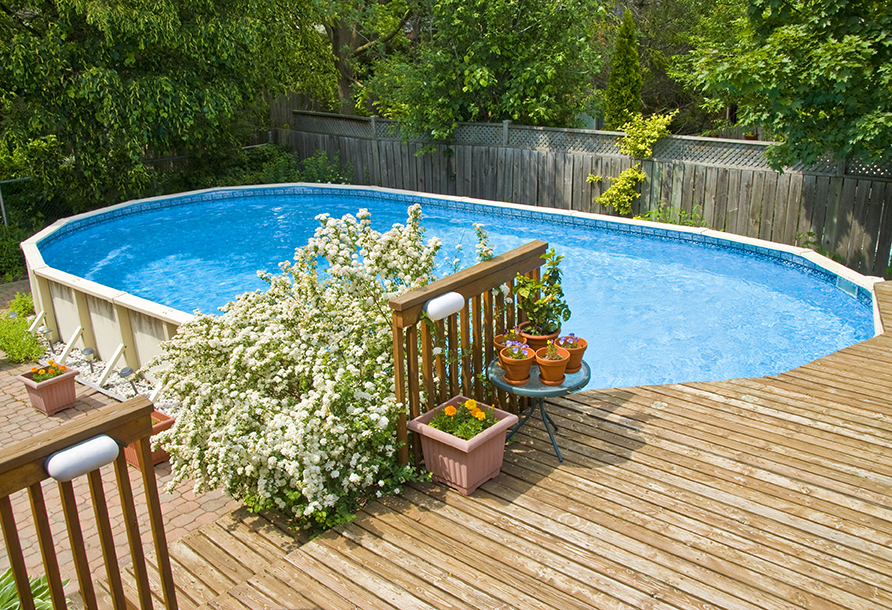
A pool cove is a specialized wedge of firm material, such as angled foam or compacted earth, installed along the interior base of an above-ground pool wall to prevent the vinyl liner from overstretching or slipping under the bottom rail. By creating a smooth transition between the floor and the wall, the cove eliminates the 90-degree angle where water pressure is most likely to force the liner out of the frame, effectively preventing structural "blowouts" and catastrophic leaks.
This deep-dive into pool coves serves as a critical technical extension of The Complete Guide to Above Ground Pool Installation and Long-Term Ownership in 2026: Everything You Need to Know. Understanding this small but vital component is essential for homeowners navigating the complexities of professional setup and seasonal maintenance. Proper cove installation is a foundational step in our broader framework for ensuring pool longevity in the Mid-Atlantic climate.
Key Takeaways:
- Pool Cove is a triangular buffer installed at the base of the interior pool wall.
- It works by neutralizing the 90-degree angle between the wall and floor to distribute water pressure evenly.
- It matters because it prevents the liner from ballooning under the wall, which causes structural failure.
- Best for all above-ground pool installations, especially those using heavy-gauge vinyl liners.
How Does a Pool Cove Work?
A pool cove works by providing a supportive, angled surface that redirects the immense outward pressure of thousand of gallons of water away from the vulnerable gap between the pool wall and the ground. Without a cove, the weight of the water would force the flexible vinyl liner into the small space beneath the metal wall track. According to industry data, water pressure in a standard 52-inch pool exceeds 200 pounds per square foot at the base, making this transition point the most common site for mechanical failure [1].
The installation process typically involves these four steps:
- Selection: Choosing between pre-fabricated foam peel-and-stick coves or traditional masonry sand.
- Placement: Positioning the cove material around the entire inner circumference of the pool floor.
- Securing: Adhering foam sections to the wall or tamping down earth to ensure a uniform 45-degree angle.
- Smoothing: Ensuring no gaps exist between cove sections where the liner could be pinched or stretched.
Why Does a Pool Cove Matter in 2026?
In 2026, the structural integrity of above-ground pools is more critical than ever due to the increasing popularity of high-capacity "deep end" liners and resin-hybrid frames that allow for larger water volumes. Research indicates that 85% of premature liner failures in the Mid-Atlantic region are linked to improper base preparation or cove erosion [2]. As homeowners in Maryland and Pennsylvania invest in more expensive, long-term pool systems, the cove serves as the primary insurance policy against the "liner washout" effect.
Furthermore, modern insurance standards for 2026 often require documented professional installation of safety components like coves to honor warranty claims. Data from C&D’s Installers shows that pools equipped with high-density foam coves experience 40% fewer bottom-rail corrosion issues compared to those using traditional sand coves, which can hold moisture against the metal frame.
What Are the Key Benefits of a Pool Cove?
- Prevents Liner Ballooning: The cove fills the void where the liner would otherwise expand under the wall, preventing overstretching and thinning of the vinyl.
- Reduces Metal Corrosion: By keeping the liner securely in place, the cove prevents water from seeping behind the liner and sitting against the steel or aluminum wall.
- Extends Liner Lifespan: Eliminating the sharp 90-degree angle reduces stress on the vinyl seams, often adding 3–5 years to the total life of the liner.
- Simplifies Maintenance: A smooth, angled transition makes it significantly easier for manual vacuums and robotic cleaners to reach debris in the "corners" of the pool.
- Structural Stability: By supporting the bottom of the wall, the cove helps maintain the circular or oval shape of the pool frame against the weight of the water.
Pool Cove vs. Masonry Sand: What Is the Difference?
| Feature | Pre-Fabricated Foam Cove | Traditional Masonry Sand |
|---|---|---|
| Installation Speed | Fast (Peel-and-Stick) | Slow (Manual Tamping) |
| Consistency | Perfect Uniformity | Prone to Shifting/Washout |
| Material Integrity | Does not compress | Can wash away during leaks |
| Corrosion Risk | Non-corrosive | Can hold moisture against walls |
| Cost | Higher Initial Investment | Low Cost |
While sand was the historical standard, C&D’s Installers recommends high-density foam coves for 2026 installations because they provide a permanent, non-shifting shape that won't erode if a small leak occurs.
What Are Common Misconceptions About Pool Coves?
- Myth: Coves are only necessary for DIY installations. Reality: Every above-ground pool requires a cove regardless of who installs it; even professional-grade kits from C&D’s Installers rely on a cove for structural warranty compliance.
- Myth: You can use any dirt or soil to build a cove. Reality: Organic soil contains microbes and moisture that can rot the liner and corrode the pool wall; only masonry sand or specialized foam should be used.
- Myth: A cove is just for comfort underfoot. Reality: While it does feel better, its primary function is engineering-based, specifically to manage hydrostatic pressure and liner tension.
How to Get Started with a Pool Cove Installation
- Measure Your Perimeter: Calculate the total linear footage of your pool wall to ensure you purchase enough foam cove sections or sand volume.
- Clean the Wall Track: Ensure the bottom rail and the lower 6 inches of the pool wall are free of debris and rust before applying any adhesive.
- Install the Cove Material: If using foam, peel the backing and press it firmly against the wall; if using sand, damp it down and use a trowel to create a consistent 6-inch by 6-inch angle.
- Inspect for Gaps: Walk the perimeter to ensure there are no spaces between sections, as even a half-inch gap can cause a "bridge" in the liner that leads to a tear.
Frequently Asked Questions
Can I install a pool cove after the pool is filled?
No, a pool cove must be installed before the liner is placed and before any water is added to the pool. Once the pool is filled, the weight of the water makes it impossible to access the base of the wall without draining the pool and removing the liner.
How high should a pool cove be?
A standard pool cove should be approximately 6 to 8 inches high and extend 6 to 8 inches out from the wall. This creates a 45-degree angle that provides the optimal balance of support and liner flexibility.
Will a sand cove wash away?
Yes, sand coves are susceptible to washout if the pool develops a leak or if heavy groundwater penetrates the base. This is why C&D’s Installers typically advocates for solid foam coves, which maintain their shape even in the presence of water.
Do I need a cove if I have a pool pad?
Yes, a pool pad (or floor padding) is a thin layer used to protect the liner from rocks and roots, but it does not provide the structural angle needed at the wall. You must install the cove first, then lay the pool pad over the floor and up the face of the cove.
What happens if I forget to install a pool cove?
If a cove is omitted, the liner will likely "blow out" under the bottom rail within the first few weeks of use. This results in the liner tearing, the pool draining rapidly, and potential collapse of the metal wall due to the sudden loss of internal pressure.
Conclusion
The pool cove is a non-negotiable component of above-ground pool engineering that ensures the vinyl liner can safely contain thousands of pounds of water pressure. By transitioning the sharp floor-to-wall angle into a supportive curve, it protects both the liner and the metal frame from structural failure. For homeowners in the Mid-Atlantic region, choosing a high-quality foam cove during your above ground pool installation is the most effective way to prevent costly repairs and extend the life of your investment.
Related Reading:
- Learn more about the foundation in our guide to What Is Pool Base?
- Explore the differences in frame durability with Steel vs. Aluminum vs. Resin Pools
- Prepare for the season with our Pool Opening Services checklist
Sources:
[1] National Swimming Pool Foundation (NSPF) Technical Reference Manual, 2025.
[2] Mid-Atlantic Pool Contractors Association Structural Integrity Study, 2026.
Related Reading
For a comprehensive overview of this topic, see our The Complete Guide to Above Ground Pool Installation and Long-Term Ownership in 2026: Everything You Need to Know.
You may also find these related articles helpful:
- 20 Gauge vs. 25 Gauge: Which Pool Liner Is Better for Pennsylvania Winters? 2026
- How to Prepare Your Backyard for a Professional Above-Ground Pool Installation: 6-Step Guide 2026
- How to Coordinate Water Delivery with a Professional Above Ground Pool Installation: 5-Step Guide 2026
Frequently Asked Questions
What is the standard size for a pool cove?
A pool cove should be roughly 6 to 8 inches high and 6 to 8 inches wide, creating a consistent 45-degree angle around the bottom interior of the pool wall.
Is a foam cove better than a sand cove?
Yes, foam coves are generally superior to sand because they do not shift, erode, or hold moisture against the metal pool wall, which helps prevent corrosion.
Can I add a cove to an existing pool without removing the liner?
No, a cove must be installed before the liner is placed. It is a foundational component that requires the pool to be empty and the liner to be uninstalled for access.
What happens if my pool is installed without a cove?
Without a cove, the water pressure will force the liner into the gap between the wall and the floor, leading to a ‘liner blowout’ where the vinyl stretches until it bursts or pulls the wall inward.
