


Common Issues with Your Above-Ground Pool Liner and How to Address Them
Owning an above-ground pool offers a fun and convenient way to enjoy the water in your own backyard. However, as with any pool, proper maintenance is essential for keeping it in top shape. One critical component that often goes unnoticed until there’s a problem is the pool liner. The liner not only serves as the protective layer between the water and the pool’s structure but also contributes to the pool’s overall aesthetic. When issues arise with your above-ground pool liner, it can lead to significant damage if not addressed promptly.
At C&D’s Installers, we want to help you understand the potential problems with your pool liner and what you can do to fix them.
1. Liner Wrinkles and Bunching
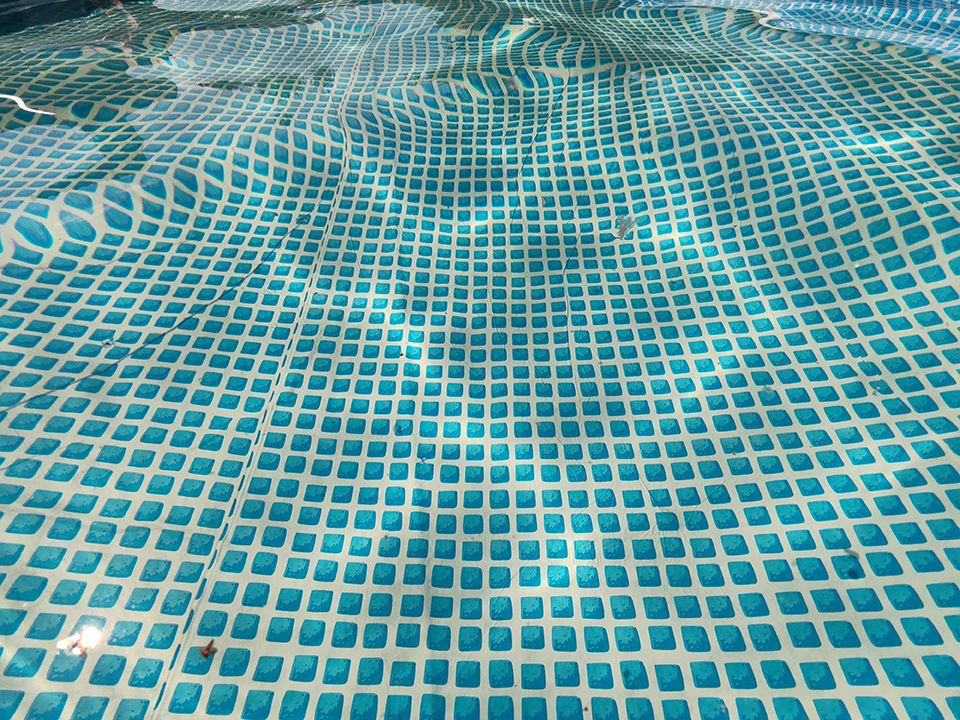
One of the most common issues with above-ground pool liners is wrinkling or bunching, which can be unsightly and even hazardous. Wrinkles are often caused by improper liner installation, temperature changes, or water imbalance.
What to Do:
- Manual Smoothing: You can attempt to smooth out small wrinkles using your hands or a pool brush while the pool is partially drained.
- Check Water Chemistry: Maintaining balanced pool water prevents the liner from stretching or shrinking. High chlorine levels, for instance, can damage the liner and cause it to wrinkle.
- Professional Realignment: If the wrinkles are severe, it may be necessary to partially drain the pool and realign the liner professionally.
2. Fading and Discoloration
Over time, exposure to the sun’s UV rays, chlorine, and other chemicals can cause your pool liner to fade or become discolored. Not only does this detract from the appearance of your pool, but excessive fading can weaken the liner, making it more prone to tearing.
What to Do:
- Use a Pool Cover: Investing in a high-quality pool cover will protect the liner from harsh UV rays and reduce exposure to chemicals.
- Monitor Chemical Levels: Ensuring that the chemical levels in your pool are well-balanced can prevent premature fading of your liner.
- Liner Replacement: If the fading is extensive and the liner is weakened, it may be time for a liner replacement.
3. Liner Leaks and Tears
A leaking pool liner can cause major issues, from water loss to damage to the pool’s structural components. Small tears or punctures can develop from sharp objects, pool toys, or general wear and tear over time. Leaks can also result from shifting or settling ground beneath the pool.
What to Do:
- Patch Kits: For small tears, you can use an underwater pool patch kit to repair the damage without having to drain the pool.
- Professional Inspection: If the tear is large or you can’t locate the source of the leak, it’s best to call a professional to assess the situation and repair or replace the liner as needed.
- Prevent Future Damage: Avoid using sharp objects around the pool and invest in quality pool maintenance tools to reduce the likelihood of tears.
4. Liner Stretching
Over time, your above-ground pool liner may begin to stretch or sag. This can happen due to age, improper installation, or water levels that are too low or high. A stretched liner can lead to wrinkles, tears, and an uneven pool bottom.
What to Do:
- Check Water Levels: Always maintain proper water levels to avoid putting unnecessary pressure on the liner.
- Replace the Liner: If stretching is severe, the best solution may be replacing the liner. Newer liners are more durable and can better withstand the elements, making replacement a worthwhile investment.
5. Liner Pulling Away from the Track
A liner that pulls away from the track is a common issue in older pools or if the liner was not installed correctly. This can happen when the liner shrinks over time, the water level fluctuates too much, or extreme temperature changes cause the liner to contract.
What to Do:
- Warm and Stretch: If the liner is simply pulling away slightly, you may be able to warm the area using a heat gun or hot water and gently stretch it back into place.
- Professional Reinstallation: For larger areas that have come loose, or if you’re unable to stretch the liner yourself, it’s best to contact a professional to avoid further damage.
6. Algae Growth on Liner
Algae growth is not just a nuisance but can also damage your liner over time. It can make the surface of your liner slippery, leading to accidents, and the algae can degrade the liner material if left untreated.
What to Do:
- Maintain Proper Chemical Balance: Keep your pool water balanced with the right levels of chlorine and algaecide to prevent algae growth.
- Regular Cleaning: Brush the liner regularly to prevent algae from clinging to the surface. For severe algae problems, shock the pool to eliminate the growth.
Conclusion: Protect Your Pool Liner for Longevity
Your pool liner plays a crucial role in maintaining the integrity and appearance of your above-ground pool. By being proactive about addressing common issues like wrinkles, leaks, and fading, you can extend the life of your liner and ensure your pool remains a source of enjoyment for years to come.
If you’re experiencing issues with your pool liner or suspect it might need replacement, don’t hesitate to reach out to C&D’s Installers. Our expert team specializes in above-ground pool installations and repairs, including liner replacements, so you can enjoy a beautiful, problem-free pool throughout the seasons.
Contact us today to schedule a liner inspection or learn more about our services. Let’s keep your pool in top condition all year long!