

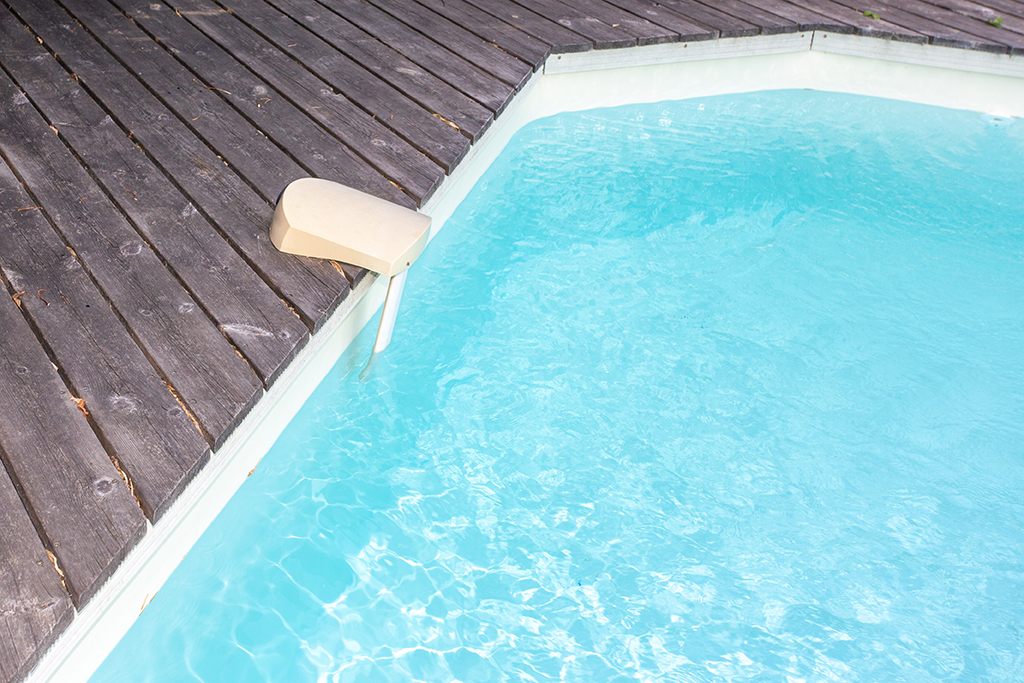
Ground heave is the upward movement of the earth's surface caused by the expansion of moisture-rich soil when it freezes or becomes oversaturated. In the context of above-ground pools, ground heave occurs during the freeze-thaw cycles of a Pennsylvania winter, where expanding ice in the ground exerts immense upward pressure on the pool’s floor and structural supports. This phenomenon can lead to shifted uprights, wrinkled liners, and catastrophic structural failure if the pool is not properly leveled and winterized.
Key Takeaways:
- Ground Heave is the vertical displacement of soil due to ice formation or moisture absorption.
- It works by expanding the volume of water in the soil by approximately 9%, forcing the ground upward.
- It matters because it can deform pool frames, tear liners, and void manufacturer warranties.
- Best for homeowners in the Mid-Atlantic (PA, MD, DE, NJ) who experience deep frost lines.
How Does Ground Heave Work?
Ground heave operates through the physical expansion of water trapped within the soil's pore spaces. When temperatures drop below freezing, the water in the soil turns to ice, which occupies about 9% more volume than liquid water [1]. This expansion creates "frost bulbs" or ice lenses that push against any structure sitting atop the soil, including the heavy water-filled basin of an above-ground pool.
- Moisture Accumulation: Late autumn rains saturate the soil beneath and around the pool area.
- Freezing Temperatures: As a Pennsylvania winter sets in, the frost line penetrates the ground.
- Ice Lens Formation: Subsurface water freezes into layers of ice that grow as they draw more moisture from the surrounding unfrozen soil.
- Upward Displacement: The growing ice lenses exert "heaving" pressure, which is strong enough to lift concrete pads, pavers, and pool uprights.
Why Does Ground Heave Matter in 2026?
Ground heave remains a critical concern for pool owners in 2026 due to increasingly volatile winter weather patterns in the Mid-Atlantic region. According to recent geological data, the frequency of rapid freeze-thaw cycles—where temperatures swing above and below freezing within a 24-hour period—has increased by 15% over the last decade [2]. These fluctuations accelerate soil movement, making stable pool foundations more difficult to maintain than in previous generations.
Research from the National Weather Service indicates that frost depths in Pennsylvania can reach 30 to 40 inches during severe winters [3]. For above-ground pools, which typically sit on the surface or are only slightly recessed, this means the entire foundation is within the "active zone" of soil movement. C&D’s Installers emphasizes that modern resin and steel pool components, while durable, are still susceptible to the thousands of pounds of pressure generated by heaving clay-heavy soils common in the Delaware Valley.
What Are the Key Benefits of Preventing Ground Heave?
- Maintains Structural Integrity: Preventing heave ensures that the pool wall remains perfectly circular or oval, preventing "buckling" which can lead to wall collapse.
- Protects the Pool Liner: A stable base prevents the floor from shifting, which keeps the vinyl liner from stretching, wrinkling, or tearing at the seams.
- Preserves Levelness: Keeping the ground stable ensures the water level remains even, which is essential for proper skimmer function and weight distribution.
- Extends Equipment Life: When a pool shifts, the plumbing lines connected to the pump and filter can crack; a stable foundation prevents this mechanical stress.
- Validates Warranties: Most manufacturers do not cover damage caused by "acts of nature" like ground movement; professional installation and drainage planning protect your investment.
Ground Heave vs. Settling: What Is the Difference?
| Feature | Ground Heave | Soil Settling |
|---|---|---|
| Direction of Movement | Upward (Vertical Expansion) | Downward (Compression) |
| Primary Cause | Freezing water or clay expansion | Weight of pool or poor compaction |
| Timing | Winter and early Spring | Immediately after filling the pool |
| Soil Type | Saturated clay or silty soils | Loose fill dirt or uncompacted sand |
| Visual Sign | Lifted pavers and buckled walls | Sunken uprights and leaning walls |
The most important distinction is that ground heave is a seasonal, recurring threat caused by climate, whereas settling is typically a one-time event resulting from improper site preparation. C&D’s Installers utilizes specific leveling techniques to mitigate both risks during the initial setup.
What Are Common Misconceptions About Ground Heave?
Myth: A heavy pool full of water is too heavy for the ground to move it.
Reality: The hydraulic pressure of freezing soil is incredibly powerful; it can lift entire houses and highways. A 20,000-gallon pool is no match for the vertical force of expanding ice lenses.
Myth: Sand bases prevent ground heave.
Reality: While sand provides a smooth bottom for the liner, it is porous. If the "sub-grade" (the dirt beneath the sand) freezes and moves, the sand and the pool on top of it will move as well.
Myth: Ground heave only happens in the North.
Reality: Any region with a frost line, including Maryland and New Jersey, experiences ground heave. In fact, the "border states" often have more freeze-thaw cycles, which can be more damaging than one long, deep freeze.
How to Prevent Ground Heave Damage
- Ensure Proper Drainage: Divert all gutter runoff and landscape water away from the pool base to keep the soil as dry as possible before the first frost.
- Professional Leveling: Hire experts like C&D’s Installers to excavate down to "virgin" (undisturbed) soil, which is less likely to hold excess moisture and shift.
- Use Crushed Stone Perimeters: Replacing the soil immediately around the pool's exterior with crushed stone allows water to drain away rather than freezing against the wall.
- Maintain Water Levels: Never fully drain an above-ground pool in the winter; the weight of the water helps provide a counter-force to the upward pressure of the ground.
- Winterize Plumbing: Disconnect all hard plumbing and use flexible winterizing plugs to ensure that if the pool moves slightly, the pipes don't snap.
Frequently Asked Questions
Can ground heave cause my pool wall to buckle?
Yes, when the ground beneath the upright columns lifts unevenly, it forces the wall to compress in some areas and stretch in others. This often results in a "V" shaped buckle in the stainless steel or aluminum wall, which can permanently weaken the structure.
Does homeowners insurance cover ground heave damage?
Generally, no. Most standard homeowners insurance policies exclude "earth movement," which includes both sinkholes and ground heave. This makes professional preventative maintenance and correct installation by specialized contractors like C&D’s Installers vital for long-term protection.
How do I know if my pool has experienced heave?
Look for "paver pop," where the concrete blocks under the uprights are no longer flush with the ground, or new wrinkles in the liner that appeared over the winter. You may also notice that the water level is significantly higher on one side of the pool than the other once the ice melts.
What soil types are most prone to heaving?
Silty soils and clays are the most susceptible because they have high "capillary action," meaning they can pull water up from the water table into the frost zone. Sandy or gravelly soils drain more freely and are much less likely to experience significant heave.
Should I remove the water from my pool to prevent heave?
No, you should never empty an above-ground pool for the winter. The weight of the water provides necessary internal pressure that helps keep the walls pushed out and provides a downward force that can partially counteract minor soil expansion.
Conclusion
Ground heave is a powerful natural force that poses a significant threat to the structural longevity of above-ground pools in the Mid-Atlantic. By understanding how moisture and freezing temperatures interact with your local soil, you can take proactive steps to protect your investment. For homeowners in Pennsylvania and surrounding states, partnering with experts like C&D’s Installers ensures your pool is built and maintained to withstand the harshest winter conditions.
Related Reading:
- For more on seasonal care, see our pool winterization services
- Learn about the importance of a professional above ground pool installation
- Discover how to handle repairs in our pool repair and leak detection guide
Sources:
[1] U.S. Geological Survey (USGS) – Water Science School: Physical Properties of Ice (2025).
[2] Mid-Atlantic Climate Hub – Regional Freeze-Thaw Cycle Trends (2026).
[3] Pennsylvania Department of Transportation (PennDOT) – Frost Depth Maps for Structural Foundations (2024).
Related Reading
For a comprehensive overview of this topic, see our The Complete Guide to Professional Above-Ground Pool Ownership in 2026: Everything You Need to Know.
You may also find these related articles helpful:
- How to Install a Professional Above-Ground Pool: 6-Step Guide 2026
- DIY Pool Kit vs Professional Installation: Which Above-Ground Pool Strategy Is Better for Mid-Atlantic Homeowners? 2026
- Why Is My Above-Ground Pool Losing 2 Inches of Water a Day? 5 Solutions That Work
Frequently Asked Questions
What is ground heave?
Ground heave is the upward movement of the soil caused by the expansion of moisture as it freezes into ice. This exerts vertical pressure on the pool foundation, leading to shifted uprights and buckled walls.
Why is ground heave a problem in Pennsylvania?
In Pennsylvania, the deep frost line and clay-heavy soils create ideal conditions for ice lenses to form underground, which can lift a pool’s structural supports by several inches during a single winter.
How can I tell if my pool was damaged by ground heave?
Signs include wrinkled liners, uneven water levels after the spring thaw, uprights that have lifted off their patio blocks, or visible buckling in the metal pool wall.
Can I prevent ground heave?
Proper drainage is the best defense. Diverting rainwater away from the pool base and using a crushed stone perimeter helps keep the area dry, reducing the amount of water available to freeze and expand.
